
By
Super User
Best Travel Guide To Jie/Jiye People/Tribe of South Sudan
Best Travel Guide To Jie/Jiye People/Tribe of South Sudan
Meet the Jiye people of South Sudan who are seasonal pastoralists that mainly raise cattle. Women and children generally live in settled villages while men leave the village for the season to feed the cattle on pastures. In the villages, women engage in farming and cultivate crops like cowpeas, maize, millet, and tobacco.
Location and Background of Jie People in South Sudan:
The Jiye people live in the arid flat lowlands of the South East corner of South Sudan in Eastern Equatoria State. They are agri-pastoralists- they grow sorghum and raise cattle, sheep, and goats. They are very closely related to the Toposa of South Sudan and speak the same language. They are also related to the Karamojong of Uganda, the Nyang’atom of Ethiopia, and the Turkana of Kenya. The Toposa to the South and East, the Ngipeta to the North, and the Nginyoro to the West border their homeland. They have conflicts with all these neighbors.
History of Jie People:
The Jiye people originally came from Kotido Najie in the Karamoja region of Uganda. They left the area in search of water and pasture. They passed through several areas but moved on after being attacked by the Toposa. They settled in Naliimtiira for a while and grew, but were eventually driven off by neighboring tribes (the Nginyoro and Ngipeta). Their leader, Natuliasia, advised them to divide into four groups to avoid being attacked as a large group. These four groups eventually became the clans of today: The Ngikurono, who worship wood ash and live in Lorumute; the Ngisirae, who worship the cheetah and live in Kesegor Hill; the Ngimokodol, who worship the millipede and live in Lopeat; and the Ngitarakaboon, who worship the hyena and also live in Lopeat.
Society, social events, attitudes, customs, and traditions of Jie People:
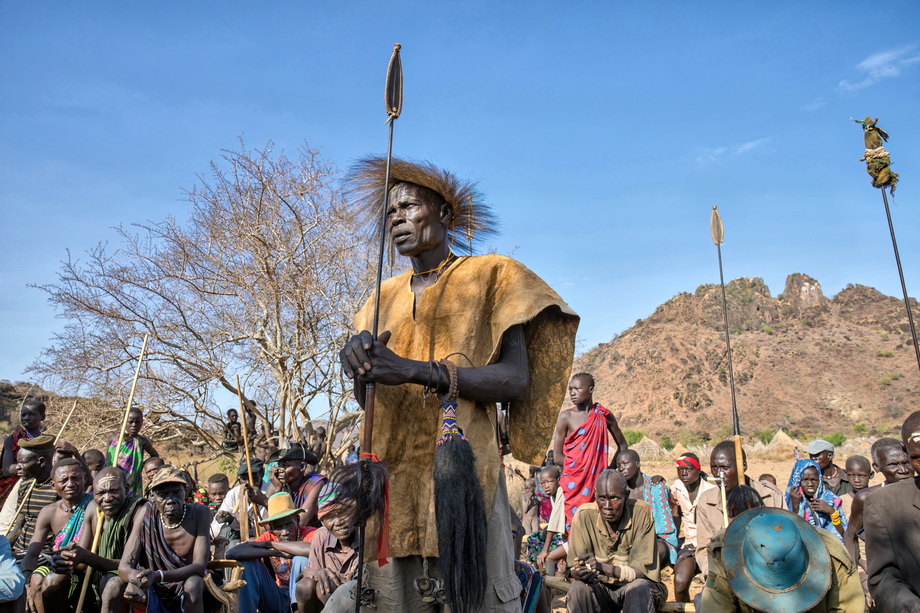
The social organization and practice of the Jiye people are identical to the Toposa. The society is organized into exogamous agnatic lineages. The most important social events that bring the Jiye together in celebrations include marriage, hunting, cattle raids, and warfare. The Jiye share certain totems and body marks. The male adults attend meetings, gatherings, and functions in which important decisions concerning the clan or whole community are made. Respect for the elders among the Jiye is mandatory for the younger generations.
Socio-Political Organization, Traditional Authority of Jie People:
The Jiye like the Toposa have no clear political organization and functions. The chiefs, sub-chiefs, elders, fortune-tellers, medicine men, and witch doctors wield administrative and spiritual powers.
Arts, Music, Literature, and Handicrafts of Jie People:
The Jiye culture is orally transmitted through songs, dance, music, poems, and folklore. Being pastoralists, they have perfected their art of war and cattle raiding. They are able to spy and gather with precision information about the enemy, water, pastures, etc. The young men take great care and beauty of their hair.
Neighbors and Foreign Relations and Co-operation of Jie People:
The Jiye neighbor their kins, the Toposa to the south, Murle and Kachipo to the north, and east. Cattle rustling and competition over the scarce resources of water and pasture have determined the relations between the Jiye and the Murle.
Latest Developments with Jie People:
The conflict between the Jiye and the Toposa has pushed the Jiye northwards into the Upper Nile region. They have now become fully incorporated into Pibor County. Jiye children have now been enrolled in the schools in Boma and many of them have converted to Christianity.
Diaspora:
The Jiye have remained excluded for a long time from the social and political life of the country. There is no information about a Jiye Diaspora.
Culture:
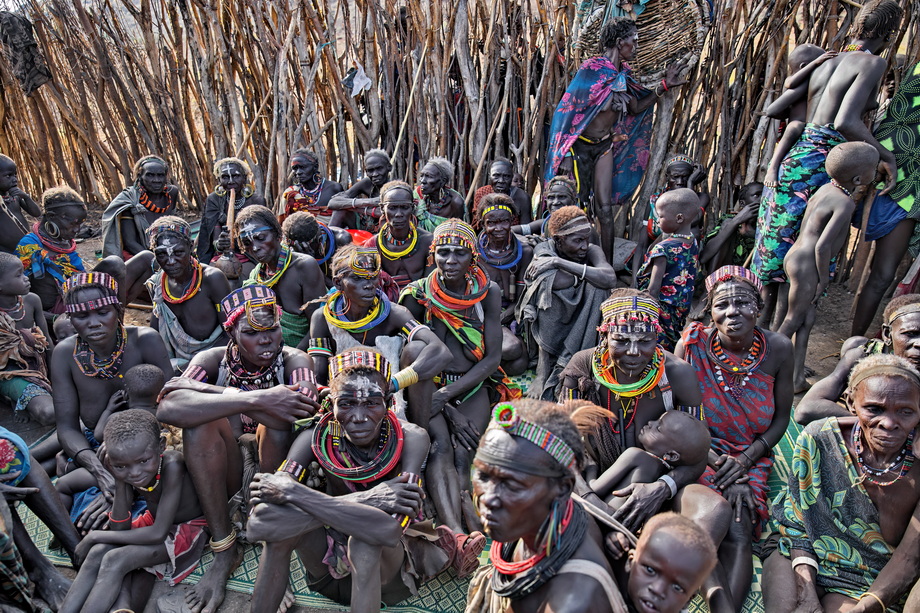
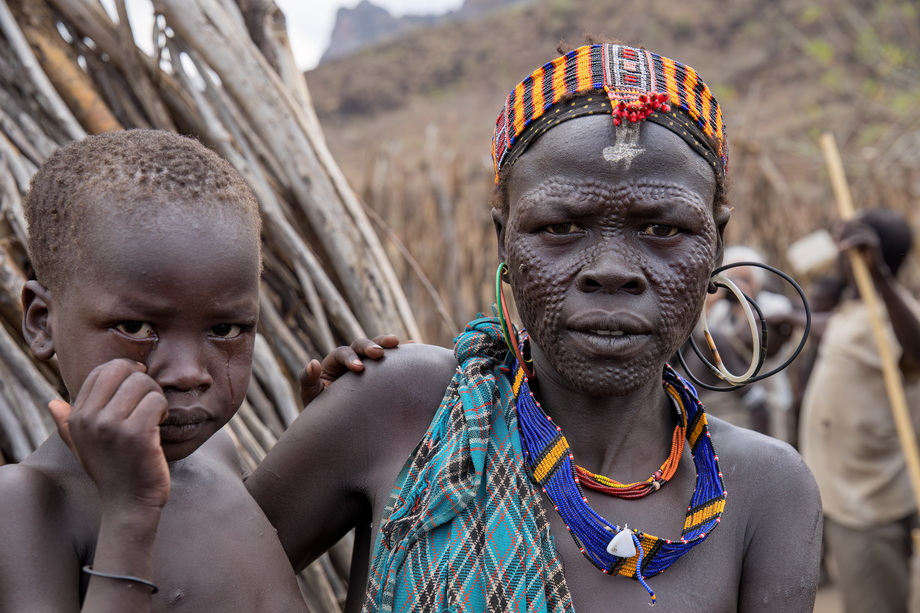
The Jiye are fierce warriors. They compete with the Toposa for water and pasture. They engage in cattle rustling. They pierce and scar their bodies as marks of beauty. The women wear beaded headbands in colors that represent the clan of their husbands.
Religion:
The Jiye is ATR (animists)- they believe in a supreme being named Apayok, who resides in a crater in Mt Kesegor. They believe if you commit an offense against him, Apayok will not give you water when you visit him there. They believe Apayok sent a sorcerer named Natidiita to protect and guide them. They also believe in the spirits of their ancestors, with whom they communicate through a medium.
For Bookings and Inquiries about Jie People safari expeditions in South Sudan, kindly contact;
Email: This email address is being protected from spambots. You need JavaScript enabled to view it.
Mobile: +256 705 087 906 / 760 282 342