By
Super User
Trip To Explore The Dinka Tribe and Their Cattle Camp In -South Sudan
Dinka Tribe Cultural Safari in South Sudan
Explore the Dinka People, Culture and Cattle Camps
Discover one of South Sudan’s most remarkable cultural experiences with a Dinka Tribe cultural safari and journey into the traditional cattle camps of the Dinka people.
The Dinka are one of the largest ethnic groups in South Sudan and belong to the wider family of Nilotic peoples. Their cultural identity is deeply connected to cattle, which have traditionally played an important role in their economy, social organization, marriage customs, spiritual traditions and everyday life.
A visit to a Dinka cattle camp offers travellers a rare opportunity to experience traditional pastoral life in South Sudan, meet local communities and gain a deeper understanding of a culture in which cattle are far more than livestock.
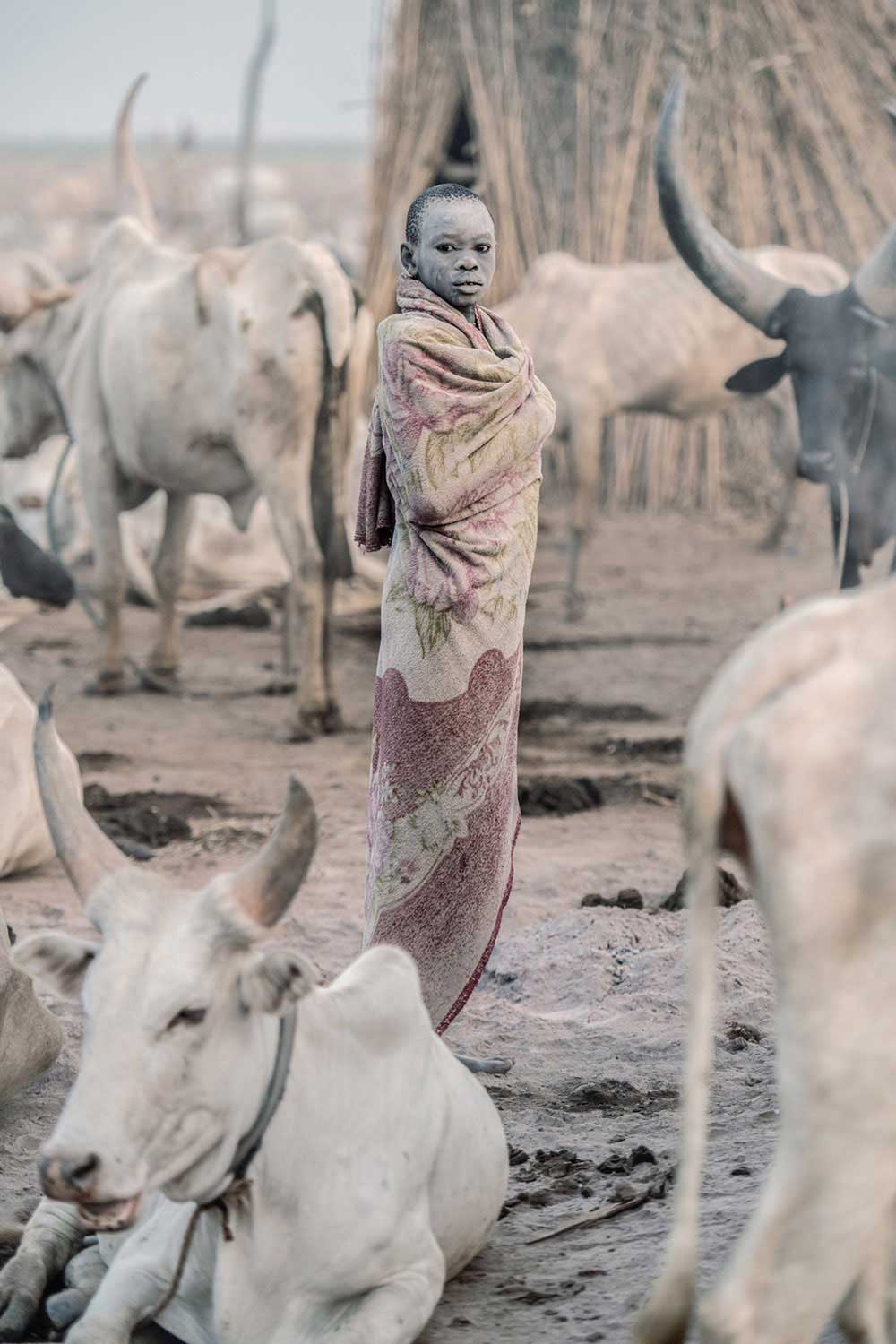
Who Are the Dinka People?
The Dinka are made up of numerous independent but interconnected clans spread across different parts of South Sudan.
Historically, many Dinka communities have practiced transhumant pastoralism, moving cattle seasonally between permanent settlements and areas with better water and pasture.
Cattle remain at the heart of Dinka society, while agriculture also contributes significantly to livelihoods. Traditionally, men have been strongly associated with cattle herding, while women have played major roles in agriculture, food preparation and water collection. Today, these roles can be more flexible and shared within families.
The Dinka and Their Cattle
To understand Dinka culture, it is essential to understand the importance of cattle.
Cattle have traditionally been associated with:
- Wealth and social status
- Marriage and bridewealth
- Family identity
- Social relationships
- Religious ceremonies
- Traditional exchanges
- Community prestige
Large and healthy herds are highly valued, and individual cattle can have enormous personal and cultural significance to their owners.
The relationship between a Dinka herder and his cattle begins from childhood, with young people learning how to care for, understand and manage the animals.
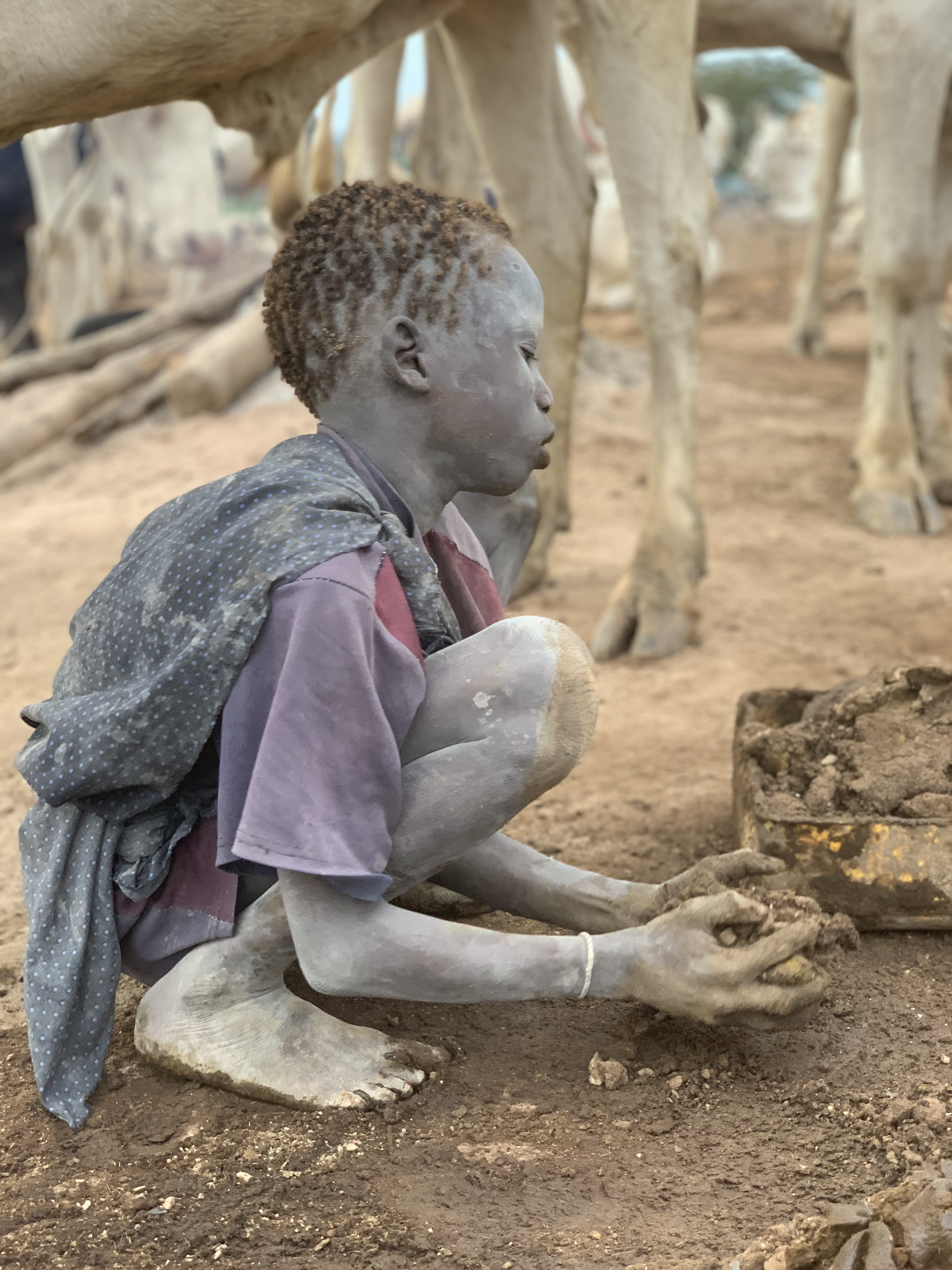
Experience a Dinka Cattle Camp
A Dinka cattle camp safari takes you into a living pastoral environment where cattle, people and landscape are closely interconnected.
During the dry season, herders may move their animals toward riverine areas where water and grazing remain available. When the rains return, communities can move back toward more permanent settlements and agricultural areas.
Visiting a cattle camp provides an opportunity to observe daily activities such as cattle herding, watering animals, milking, camp maintenance and social interaction.
For photographers and cultural travellers, the combination of large cattle herds, traditional camps, herders and expansive South Sudanese landscapes creates a truly distinctive travel experience.
Dinka Cattle Names and Cultural Identity
Cattle are so important within Dinka culture that personal identity can be closely associated with particular animals.
Traditional cattle names may refer to the colour, appearance, characteristics or qualities of an animal. Young men can develop particularly strong relationships with favourite bulls and may receive names connected to cattle.
This demonstrates how cattle function not only as economic assets but also as an important form of cultural expression and identity.
Dinka Traditional Beliefs
Traditional Dinka spirituality recognizes a connection between people, nature and the spiritual world.
Cattle have traditionally been important in rituals, sacrifices and ceremonies, while natural forces and spiritual beings hold significant places within traditional belief systems.
Learning about these traditions during a cultural visit provides valuable insight into the worldview of Dinka communities and their relationship with the environment around them.
Dinka Cattle Herding and Seasonal Migration
Many Dinka communities have historically followed seasonal patterns of movement.
During the dry season, cattle may be moved toward riverine pastures and water sources. During the rainy season, herders can return toward savanna and settlement areas where crops such as millet can be cultivated.
This seasonal movement, known as transhumance, is an important adaptation to the environmental conditions of South Sudan.
A Dinka cattle camp safari therefore offers travellers an opportunity to understand how pastoral communities have adapted their livelihoods to changing rainfall, water availability and grazing conditions.
Traditional Dinka Adulthood and Cattle Culture
Traditional Dinka initiation practices have historically placed particular emphasis on young men and their transition into adulthood.
Among some Dinka communities, initiation has included distinctive forehead scarification. Traditional cattle names and relationships with particular bulls can also form part of male identity.
These traditions have varied between communities and generations, and contemporary Dinka society continues to evolve.
Ash, Cattle and Traditional Knowledge
Visitors to Dinka cattle camps may encounter traditional practices involving ash from burned cattle dung.
Dung is burned in cattle camps, and the smoke can help discourage insects. Ash has also traditionally been applied to the body and cattle.
Another distinctive traditional practice involves the use of cattle urine in hair care, while herders may carefully shape the horns of bulls as the animals mature.
These practices illustrate the extensive traditional knowledge developed around cattle and the environment.
Dinka Marriage Traditions and Bridewealth
Cattle have traditionally played a major role in Dinka marriage customs.
Bridewealth arrangements may involve cattle, connecting marriage not only to the couple but also to their wider families and social networks.
This makes cattle an important part of the social fabric of Dinka communities, extending their significance far beyond their economic value.
The Dinka Language and Cattle Vocabulary
Dinka belongs to the Nilotic language family and has a rich vocabulary associated with pastoral life.
The large number of terms used to describe cattle reflects their importance within the culture. Different words can describe characteristics such as colour, appearance, behaviour, movement and other qualities of cattle.
For visitors, learning even a few local words and understanding how Dinka people identify their animals can add depth to the cattle camp experience.
Traditional Dinka Homes
Traditional Dinka homes, sometimes referred to as baai, are commonly constructed using locally available materials.
Wooden poles form the structure, while walls can be made from mud and roofs covered with grass or reeds.
Traditionally, men have been involved in constructing the structural framework while women have played an important role in completing parts of the roofing and household construction.
The architecture reflects the practical adaptation of Dinka communities to their environment and the availability of local materials.
Dinka Cultural Photography
A Dinka cattle camp provides extraordinary opportunities for cultural and documentary photography.
Possible subjects include:
- Dinka cattle and distinctive horns
- Cattle herders
- Traditional cattle camps
- Traditional homes
- Seasonal pastoral landscapes
- Children and cattle
- Cultural activities
- Traditional clothing and adornment
- Cattle returning to camp
- Sunrise and sunset over the cattle camps
Photography should always be approached respectfully, and visitors should request permission before photographing individuals.
Why Visit the Dinka Tribe in South Sudan?
A Dinka cultural tour in South Sudan is ideal for travellers who want to experience a living pastoral culture rather than simply visit conventional tourist attractions.
It is particularly suitable for:
- Cultural travellers
- Ethnographic researchers
- Documentary filmmakers
- Photographers
- Anthropologists
- Adventure travellers
- African culture enthusiasts
- Travellers seeking off-the-beaten-path experiences
The experience can also be combined with other South Sudan destinations and cultural communities for a more comprehensive expedition.
Combine Your Dinka Experience with a South Sudan Cultural Expedition
Ultimate Wild Safaris can design tailor-made South Sudan cultural safaris combining the Dinka cattle camps with other fascinating cultural experiences.
Depending on the route and current travel conditions, your expedition can include encounters with communities such as the Mundari, Toposa, Didinga, Larim, Jiye and Lotuko, as well as Juba city tours, White Nile boat trips and other South Sudan experiences.
Book a Dinka Tribe Cultural Safari
Experience the remarkable relationship between the Dinka people and their cattle on an unforgettable cultural expedition in South Sudan.
Whether you are interested in a Dinka cattle camp tour, South Sudan cultural safari, photography expedition or ethnographic journey, Ultimate Wild Safaris can create a customized itinerary based on your interests and available time.
Travel arrangements and access to cultural communities are planned according to current local conditions and responsible tourism considerations.
Book Your Dinka Cultural Experience
Ultimate Wild Safaris Ltd.
Email: This email address is being protected from spambots. You need JavaScript enabled to view it.
Mobile / WhatsApp: +256 705 087 906 / +256 760 282 342
Dinka Tribe | Dinka Cattle Camp | South Sudan Cultural Safari | Dinka Cultural Tour | South Sudan Tours | South Sudan Photography
Ultimate Wild Safaris – Mother Continent Explorers
Discover the Undiscovered • Touch the Unknown • Explore the Unique Before It Disappears