By
Super User
Best Travel Guide To Nairobi National Park Wildlife in Magical Kenya
Best Travel Guide To Nairobi National Park Wildlife in Magical Kenya
Set on the city's southern outskirts, Nairobi National Park covers an area of about 117 sq km, one of Africa's smallest parks gifted with abundant wildlife. Nairobi National Park is Kenya's first game reserve and the only protected area in the world that sits so close to a nation's Capital. Nairobi National Park is the first park to be gazetted in Kenya on December 16th, 1946.
One of the most remarkable things about visiting Nairobi National Park is the city backdrop combined with the abundance of wild animals. While on a Nairobi National Park tour, you may be lucky enough to see four of the big five game animals: lion, leopard, buffalo, and rhino, but not the elephant.
The park is fenced on three sides, whereas the open southern boundary allows migrating wildlife to move between the park and the adjacent Kitengela plains. Herbivores gather in the park during the dry season
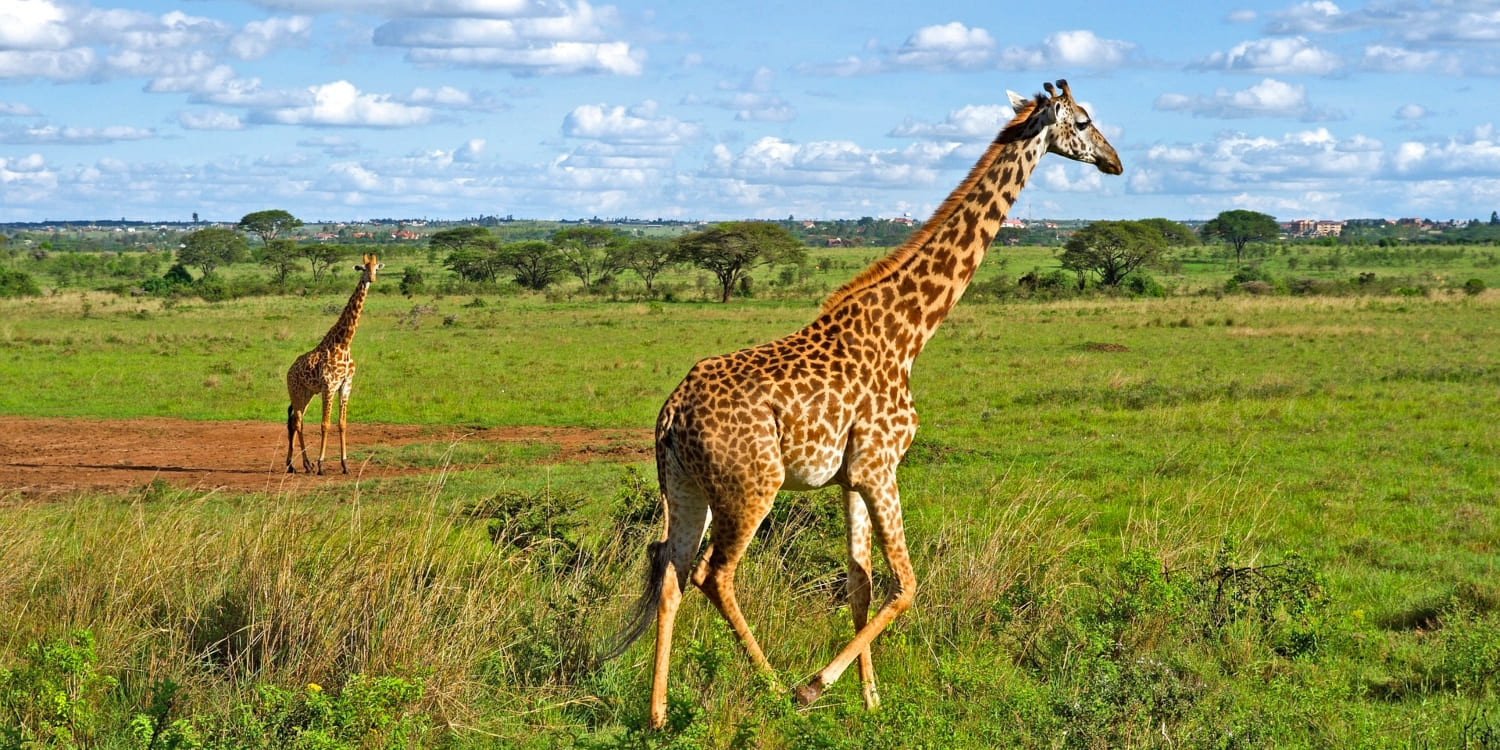
Nairobi National Park has wide open grass plains and a backdrop of the city scrapers, scattered acacia bush plays host to a wide variety of wildlife including the endangered black rhino, lions, leopards, cheetahs, hyenas, buffaloes, giraffes, and
The park is also a habitat for diverse bird life with over 400 species recorded. Notable Birds in Nairobi National Park include the Black-headed heron, Blacksmith lapwing, Common moorhen, Long-tailed fiscal, Ostrich, and many others.
Tourist activities in Nairobi National Park include;
Game drive:
Get up-close with nature during the game drive with encounters of spectacular varied animal species including the endangered black rhinos, herds of buffaloes, towers of giraffes, and pride of lions among others.
Bird-viewing:
The park offers birding opportunities and holds up to 400 different migratory and endemic bird species. Migratory bird species enter the reserve between November and April making bird viewing possible all year round. Notable bird species are the black-headed heron, Somali ostriches, blacksmith lapwing, and Somali bee-eater among others.
Walking safaris:
This safari is done along a raised wooden walkway allowing visitors to have an aerial view of the spectacular landscapes and animals of the park. This activity also prepares the mind of visitors on what to expect in the reserve when they move closer to the animals during the game drives.
Other Attractions in Nairobi National Park;
1. Nairobi Animal Orphanage:
Located within the park, the orphanage serves as a nursing and healing center for wild animals. It provides refuge to a variety of wildlife including black rhinos, lions, leopards, buffaloes, cheetahs, hyenas, serval cats, warthogs, baboons, and various monkeys. The orphanage also has various bird species including the crowned cranes, ostriches, parrots, and guinea fowls. The orphanage presents an opportunity to learn about the rescued animals.
2. Impala Observation Point:
Situated only about 3km away from the main gate, the Impala observation point and picnic site are situated high on a hill and are among the best spots in the park to picnic or just take a break. It gives panoramic views bird’s eye views of the nearby savannah plains where impalas usually spend most of their time. The site is also a good spot for watching birds and on a lucky day, you may see predators.
3. The Ivory Burning Site and Picnic Area:
This historic site is where 2,000 elephant tusks weighing 12 tonnes were set ablaze by Kenya’s former president Daniel Arap Moi on the 18th of July 1989. The ivory was confiscated from poachers before entering the market, stored, and later burnt to demonstrate Kenya’s commitment to the conservation of African elephants and zero tolerance for the ivory trade.
Today, the site bears a monument, ashes of ivory, as well as a Lawn with benches and a lavatory that serves as a picnic site.
Best time to visit Nairobi National Park;
The finest wildlife viewing time is during the dry season between June and September when a variety of wildlife can easily be seen around water holes although it is guaranteed that you can still visit the park any time of the year.
Where to stay in Nairobi National Park;
The park offers a variety of accommodation options ranging from budget, midrange, and high range covering all travel classes. These include Ololo Safari Lodge, The Emakoko, Maasai Lodge, Emara Hotel Ole Sereni, The Last Village Lodge, Nyati Hill Cottages, and Osoita Lodge among others.
The park is located 7 km (4 miles) south of Nairobi City just a short drive out of the Capital City – Nairobi. Visitors can enjoy the park’s picnic sites, three campsites, and walking trails for hikers.
Arrange with Ultimate Wild Safaris and enjoy game viewing close to the Capital an experience of nowhere else in the world.
Email: This email address is being protected from spambots. You need JavaScript enabled to view it.
Mobile: +256 705 087 906 / 760 282 342