
By
Super User
Best Travel Guide To Larim (Boya) Tribe/People of South Sudan
Best Travel Guide To Larim (Boya) Tribe/People of South Sudan
Ladies and gentlemen here are what I have been up to for the last two days! After spending time with the most portraits Toposa tribe of South Sudan, we went on to visit another isolated tribe in a region that is part of the Eastern Equatoria state, the Larim tribe in the Boya hills.
The two tribal groups we visited in that area, the Larim and the Toposa, have been enemies for a long time as they are both cattle herders and compete for water and pastures. The Toposa are also known to engage in cattle raiding, which sadly, given the new availability of firearms, often results in the death of herders. But both tribes were very friendly and welcoming to us (maybe because we sensibly decided to travel without any cattle ).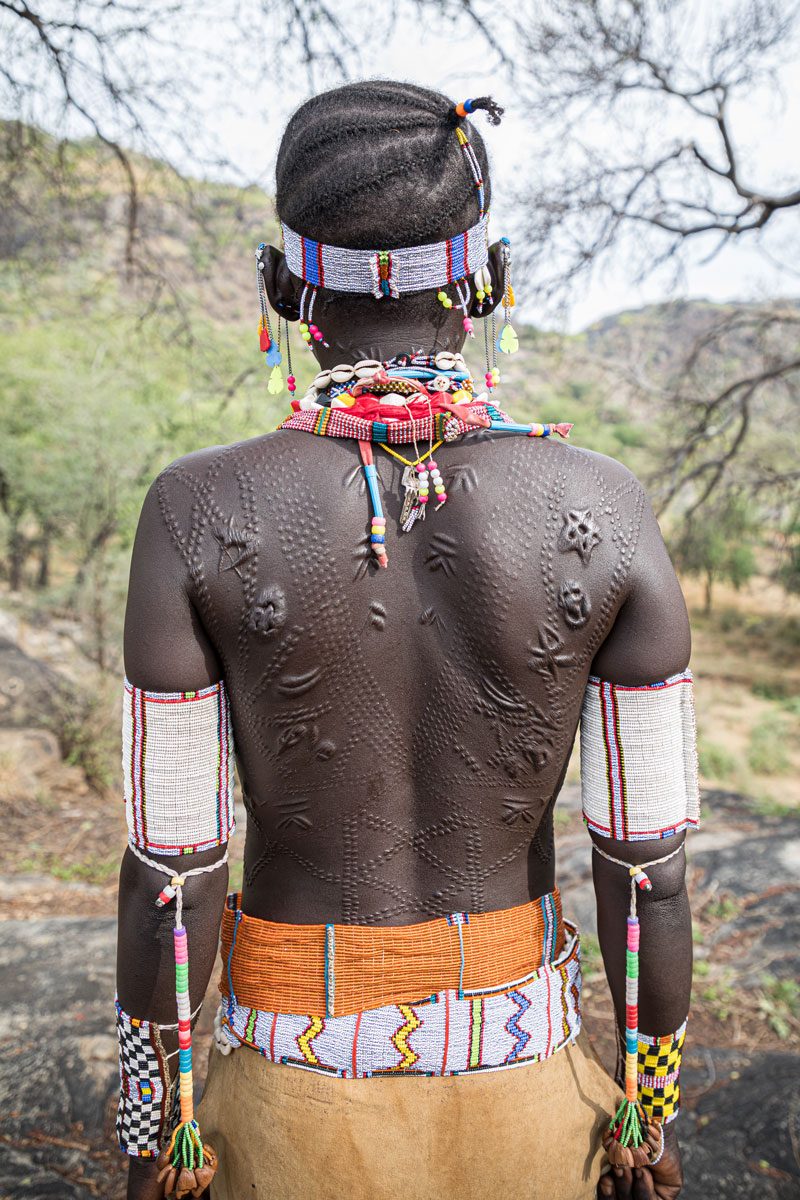
We first spent time with the Toposa after flying from Juba the capital city of South Sudan and then visited the Larim (also called Boya as they live near the Boya Hills). The Larim live in permanent villages, though like the Mundaris, they also have cattle camps where men take the cows to graze during the dry season. 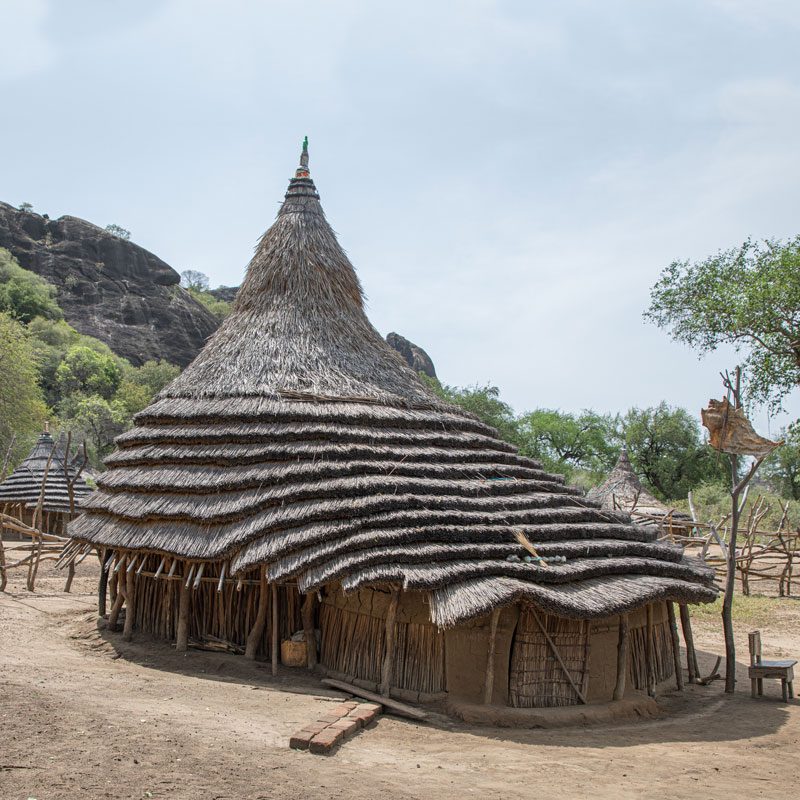
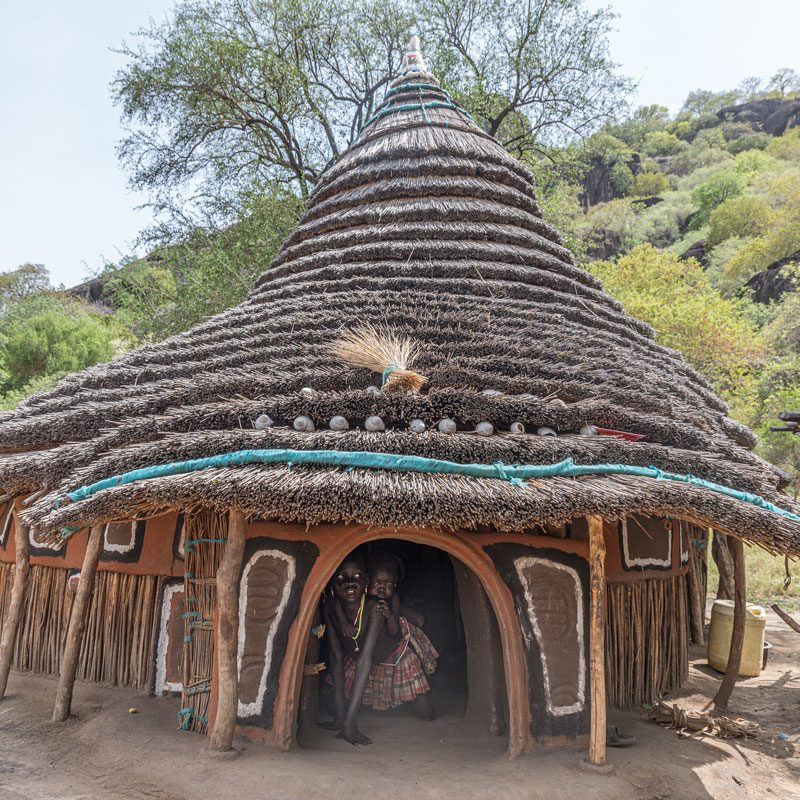
The villages are quite charming, made of thatched houses, often surrounded by thick fences. The dwellings have a rather low front opening, and one has to crawl to get in (at least I have done this several times & not sure if you reading this if you can ); roofs are often decorated with shells. A thick thorn fence encircles the village area, probably for defense against attack by their nemesis, the Toposa.
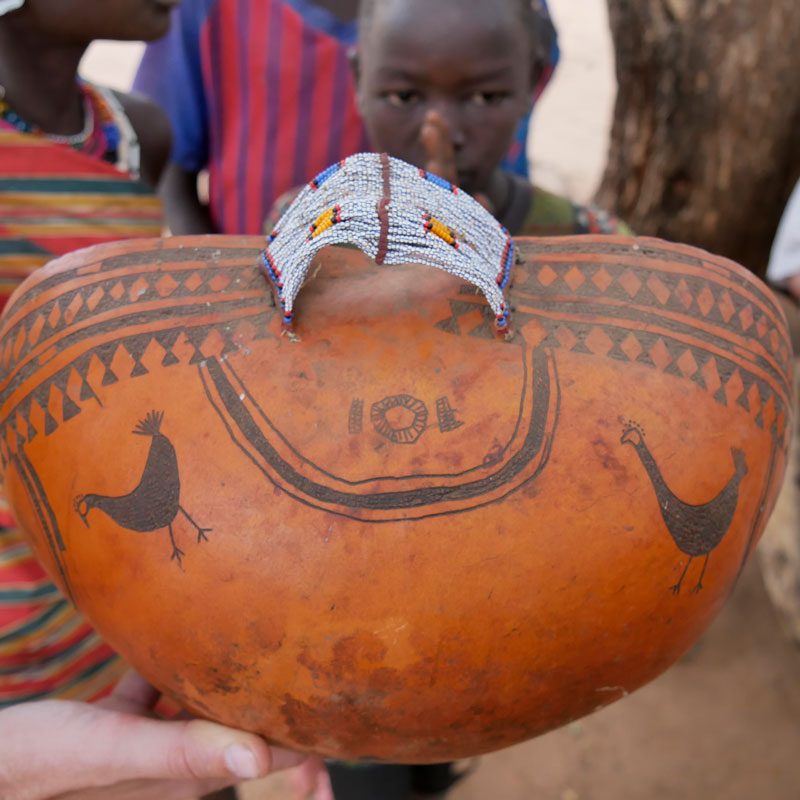
Visiting these tribal villages at this time of the year is an interesting experience as it is primarily women and children staying in the villages, the men being away at the cattle camps. The only men in the village were the elders and a few young ones who hopefully can protect the women. The children, like the ones I have met all over the world, were curious to get to know more about our clients ( mostly white people ) after initially (very briefly) hiding in their homes, but although some feel shaking hands to feel the color of a “white w/man skin.
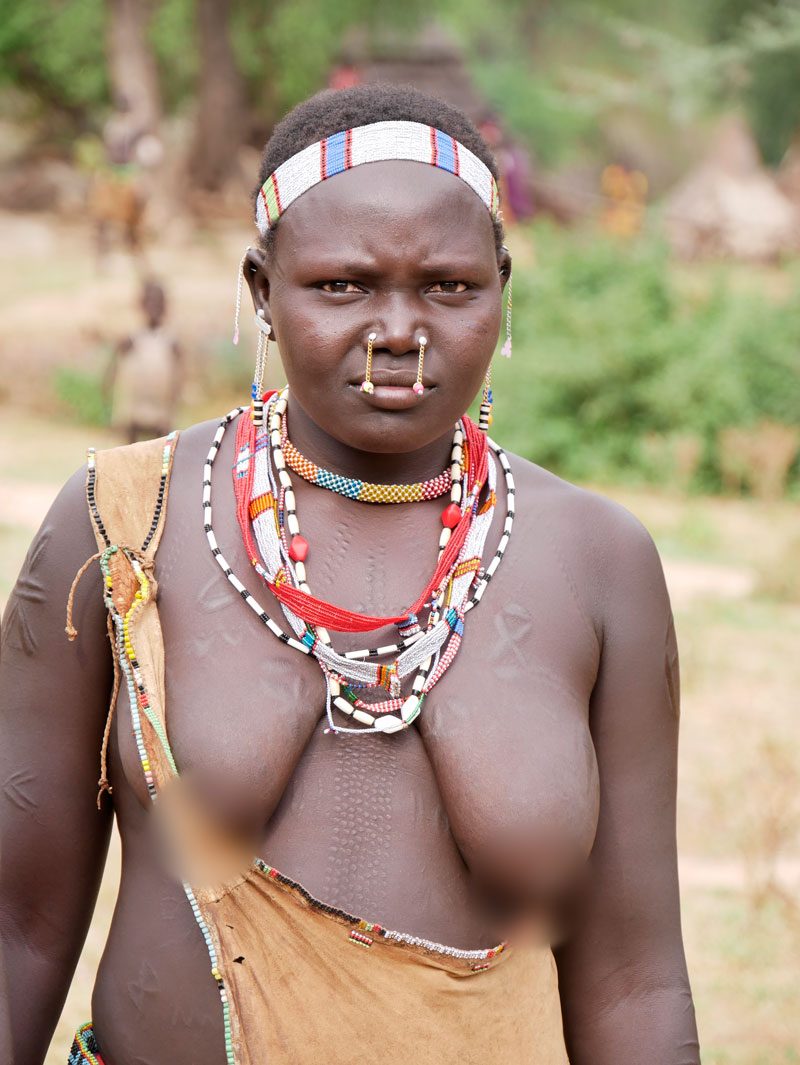
Men are out with the cattle, women are in charge of everything else. They grow seasonal crops, such as sorghum, millet, and beans, raise chickens and goats, and fetch water. Over and over, we saw women (and children who were –barely–old enough) clean, separate, and winnow the grains, then grind them using stones on a rock. Women also gather bamboo from the forest to build or repair their houses. They carry the long stacks of bamboo back home on their head.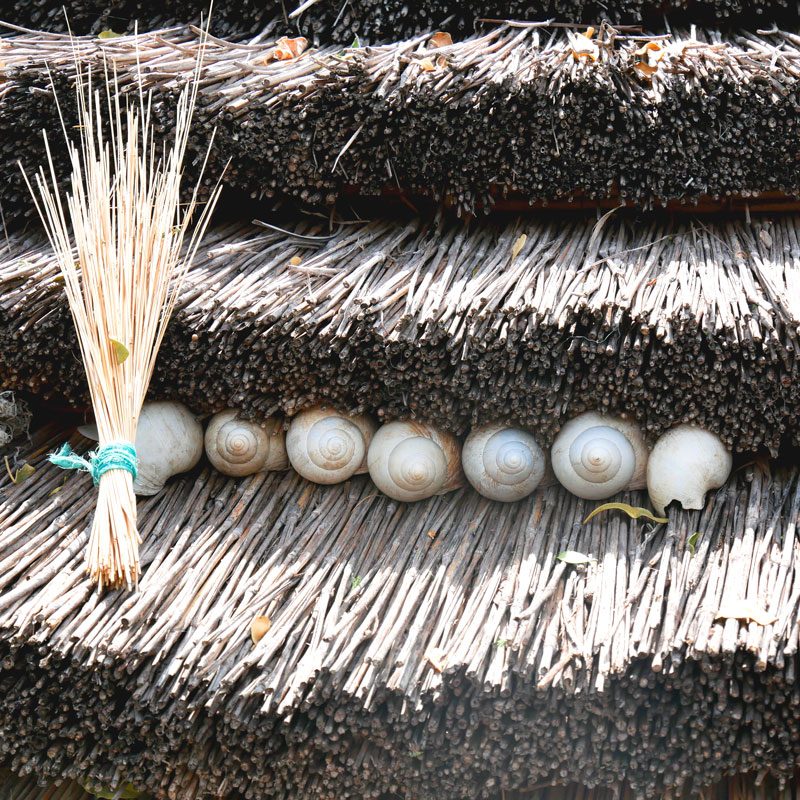
Larim women mostly wear traditional clothing, typically a beautiful skin skirt decorated with beads, or they sometimes cover themselves with a large piece of cloth that they tie over their bodies. Interestingly, young women and girls often wear short skirts made of colorful pieces of fabric sewn together.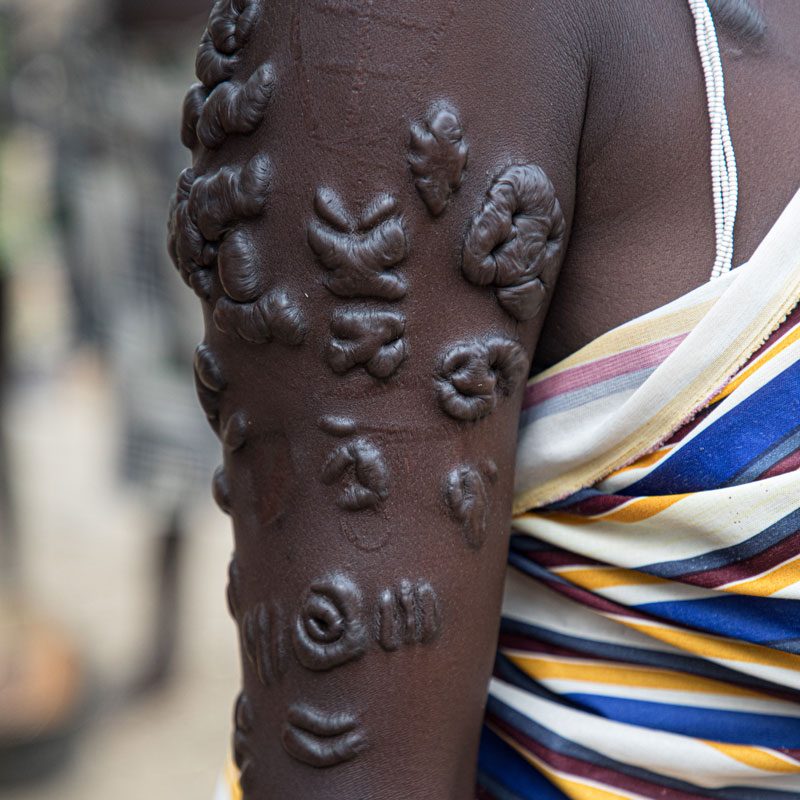
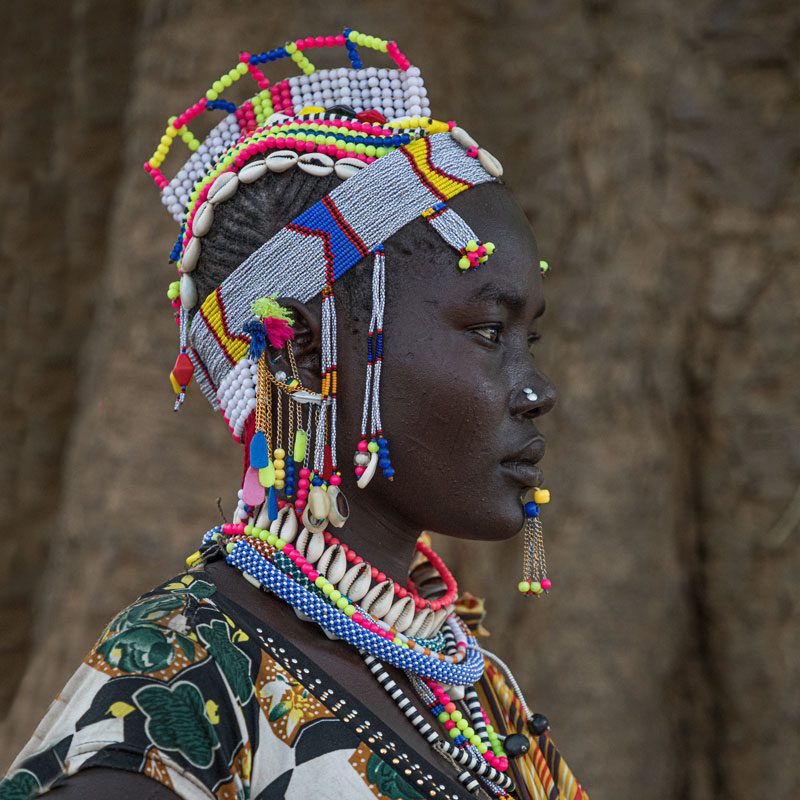
Which I find pretty attractive, and I can easily imagine it becoming a trendy item on a fashion runway). Larim women practice scarification somewhat differently from what I had seen in other tribes. The design almost looks like Asian characters, and they do it all over their body. They adorn themselves beautifully, particularly the “ready to be married” young women who wear a chain that goes from the piercing in their nose to one in their ears decorated with beads. They also wear beaded belts, bracelets, and headbands. Widows (sadly, they are many of them) also have their own sartorial traditions.
They dress in a beige color and wrap palm fronds around their foreheads, arms, and legs. And my longtime friend Angelo helped us to translate & this made the chat” briefly with a large group of women & our clients, asking one another about their respective lives. We’re asked how they chose a husband (actually, they don’t choose as the family does it for them), and it was unanimous that the only factor that matters was the number of cows he owns. (None of the women in our group had mentioned this as a criterion). Asked what their favorite activity was, they seemed surprised by the question but then came up with dancing as an answer.
And we were lucky enough to see that they were not lying as women in two villages we visited got together and danced at the end of the day. They were jubilant, thoroughly enjoying themselves, seemingly forgetting about their demanding lives.
Ladies and gentlemen, allow me to say goodbye to Pernow and I also continue with my demanding life as a travel guide, we meet in the next post! Recommended South Sudan Trip