By
Super User
Best Travel Guide To Lake Turkana Cultural Festival and Tribes In Kenya
Best Travel Guide To Lake Turkana Cultural Festival and Tribes In Kenya
Celebrate Kenya’s northern frontier cultures during the annual Lake Turkana Cultural Festival where travelers enjoy several activities such as bush camping with the nomadic pastoral tribes, traditional Turkana and other surrounding tribes' village experience, scenic drive through the desert landscape, and walking along the palm beaches of Lake Turkana.
Travelers go home with an amazing, and diverse portfolio of exceptional images of Africa from just one safari. It's one of Kenya's top tourist attractions and features all nomadic communities in Northern Kenya.
Overview:
Loiyangalani means “a place of many trees” in the native Samburu tongue and is home to the El Molo, an almost extinct community in the Northern Kenya region also considered the Cradle of Mankind. The Lake Turkana Cultural Festival is one of the most memorable events in Kenya’s tourist calendar. Besides celebrating and helping preserve the cultures of El Molo, Samburu, Gabbra, Rendile, Watta, Dasannach, Pokot, and Turkana, the festival also focuses on the economic development of the region and participating communities. Amazing display and presentation of cultural dances and traditions are just but a few awesome experiences and reasons you shouldn’t miss this year’s edition.
The Marsabit Lake Turkana Festival is one of those “must-attend” festivals in Kenya. The festival has been held annually in Loiyangalani since 2008 and it brings together the 14 communities found within the county who are dominantly pastoral and have preserved their culture. You will interact with communities like the Turkana, Samburu, Borana, Gabbra, Rendile, El Molo, Somali, Burji, Konso, Sakuye, Waata, Garee, Wayu, and Dassanatch. These communities are stereotyped to be enemies due to the many incidences of banditry in the region, but here, they all, eat, drink, sing, and dance together.
The Lake Turkana Cultural Festival is a celebration of indigenous culture held every spring in Turkana, northern Kenya. The festival is hosted by several indigenous communities adjacent to the lake and is meant to promote peace, cultural exchange, and tourism.
Participating communities, which extend across national borders, include the Turkana, the Dassanech, the Samburu, the Somali, the Borana, the Gabbra, the Rendille, the Sakuye, the Wata, the Burji, the Garee, the Konso, and the El Molo people.
The festival features local culture, nature, and archeological heritage. Participants wear traditional attire during ceremonies. Activities include a three-day carnival, with music and dance from local groups, and speeches by local leaders. Consistent with local customs, the festivities continue after sundown. Exhibitions promote local crafts and food. The protection of wildlife is another theme addressed by the festival.
Main Highlights of the Lake Turkana Cultural Festival:
Homesteads:
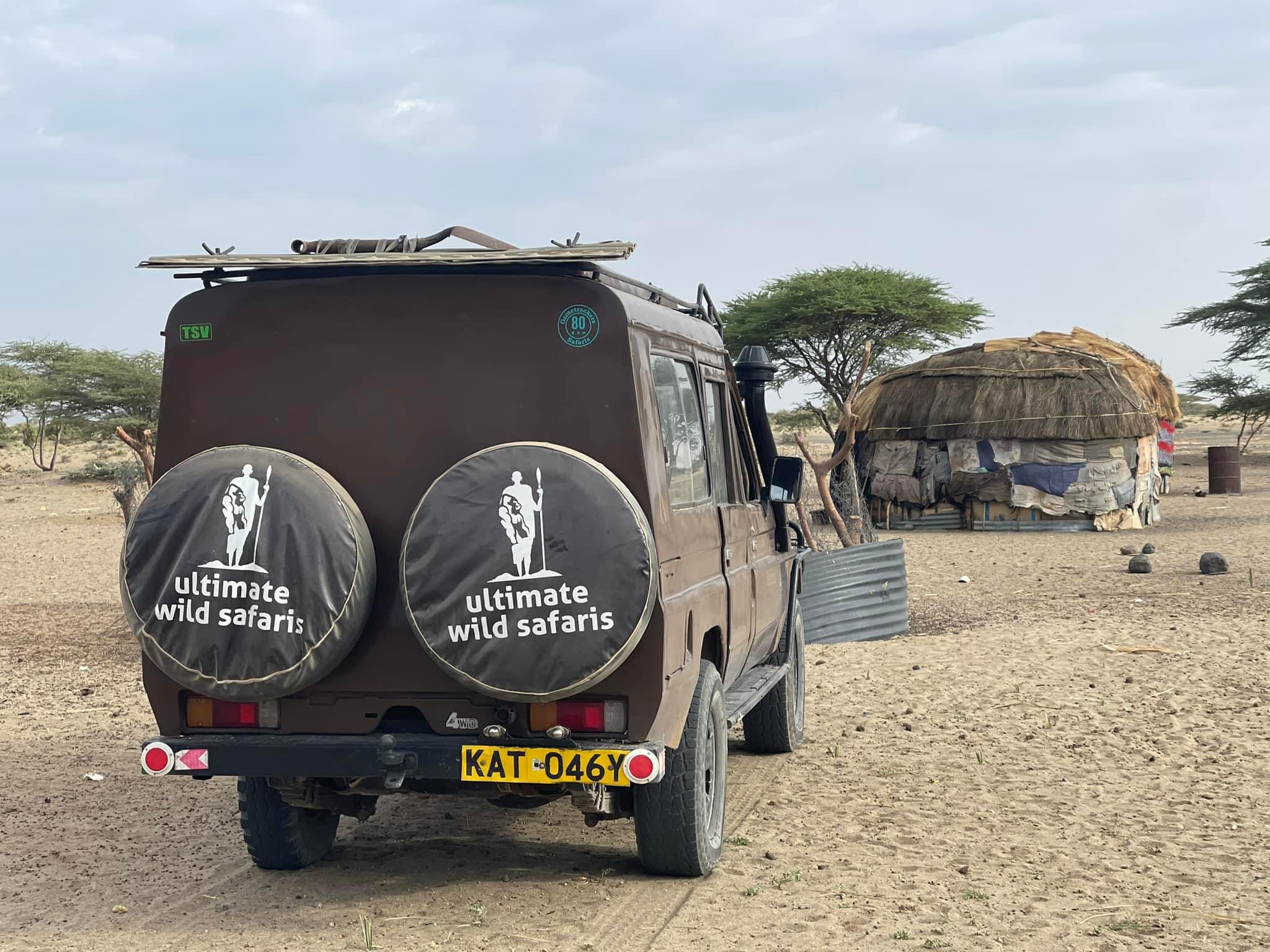
The pastoral communities though similar in several ways, differ in the way they make their homes. The constant similarity is that the homes usually referred to as manyattas are built by the women, yes from scratch. They vary in outlook from shape, size, and building elements. The most common building elements are twigs, wood, cow dung, reeds, and soil.
Jewelry:
Beads are the dominant element used and the colors are bright to appeal to the eye like yellow, red, green, white, and blue among others. The shapes of the beads also vary and they allow their artistic selves free range. As for the head, neck, and shoulder pieces, beautiful doesn’t even start to describe them.
They are layered from the largest, which lies on /over the shoulders to neck pieces that at times ride high on the neck. These are worn daily, no need to wait for a special occasion as every day is a special occasion. Different communities have different colors and are “custom made”, each is different. Some have metal in them to make them shiny, others buttons-never thought buttons could look so good and others are dyed to give them a glossy shimmery look.
It is hypnotic to see how these masterpieces sway as they move and when they dance. The same is exhibited in their bracelets, anklets, arm bands, earrings, and headpieces
Adornment isn’t only for women as men also take body art and jewellery very seriously. The men wear traditional head caps as well as jewelry across their chests, arms, and necks.
Body Art:
In some of the communities, the women adorn their hair and upper body with red ochre made from the bark of a plant mixed with cooking oil. The result is a beauty to behold as the red stands out, it shimmers and I couldn’t be left behind from experiencing the same. Don’t I just look more beautiful?
Dressing:
The clothes worn here are the traditional kind, not the modified modern/ traditional version. The ladies make dresses from goat hide and you will find varying colors black, and brown among others. It takes several months to complete one dress as they are custom-made. Also, they have to wait for a long duration to get enough goat hide material to complete a dress. They carefully scrape off the hair from the hide (fabric), they then apply oil often to it to keep it supple and soft, and then the dress-making begins.
Entertainment:
Marsabit communities took entertainment to new heights. The local men and the ladies dress to a tee while tourists/travelers seem like lost people. Previously perceived the communities to be closed and conservative, visitors are shattered as they watch Borana /Gabra /Somali and other communities, women decked in brightly colored clothes/ shukas that are free flowing. Their dances mainly involve clapping hands, stomping feet, and some very serious shoulder movements.
Moving onto the Samburu/Dashnash /Turkana /there is lots of jumping involved for the men, where it seems like they are competing who can reach the skies. The women mainly dance with their shoulders and necks allowing the neck/shoulder pieces to sway.
The Gabbra or Somali, dressed in white while, others in colored shukas/ shawls) seriously dance, clapping hands, stomping feet, and forming semi-circles. The men all flow in unison to the beat of the drum and the women singing. They move forward then backward, on and on.
Transportation.
You can drive and use the route from Nanyuki-Isolo-Laisamis-Loiyangalani. Up until Laisamis, the road is superb, a newly done tarmac road. Thereafter one diverts onto a graded road that is actually in very good condition though you will be decked in the dust. You can however also take a bus from Nairobi Eastleigh to Marsabit and then Marsabit to Loiyangalani.
Accommodation:
Loiyangalani has an array of accommodations available from amazing large Resorts to lodgings and even homestays. The customer service is great and one easily feels at home. The rooms are beautiful ranging from cottages, bandas, and manyattas to the option of camping.
Book with Ultimate Wild Safaris for a cultural safari of the northern tribes of Kenya.
Email: This email address is being protected from spambots. You need JavaScript enabled to view it.
Mobile: +256 705 087 906 / 760 282 342