
By
Super User
Best Travel Guide To CHIMPANZEE TREKKING IN KIBALE FOREST NATIONAL PARK, UGANDA
Best Travel Guide To CHIMPANZEE TREKKING IN KIBALE FOREST NATIONAL PARK, UGANDA
Kibale Forest National Park is the primate capital of the world, and the Park is all about trekking chimpanzees. Kibale prides itself on being Africa's most protected area for primates, numbering an estimated 13 species. Kibale forest is home to Uganda's largest population of chimpanzees with approximately more than 1,450 chimpanzees protected within its borders of 795 km2 area covered. It is by far the best place to see Chimps in East Africa. The chimpanzees have been habituated for over 26 years giving you a chance to see the great apes in their natural environment.
ABOUT CHIMPANZEE TREKKING IN KIBALE FOREST NATIONAL PARK UGANDA
Chimpanzees are our closest living relatives, sharing more than 98% of the genetic blueprint. Humans and chimps are also thought to share a common ancestor who lived some four million years ago. Chimps are generally fruit and plant eaters, but they also eat insects, eggs, and meat.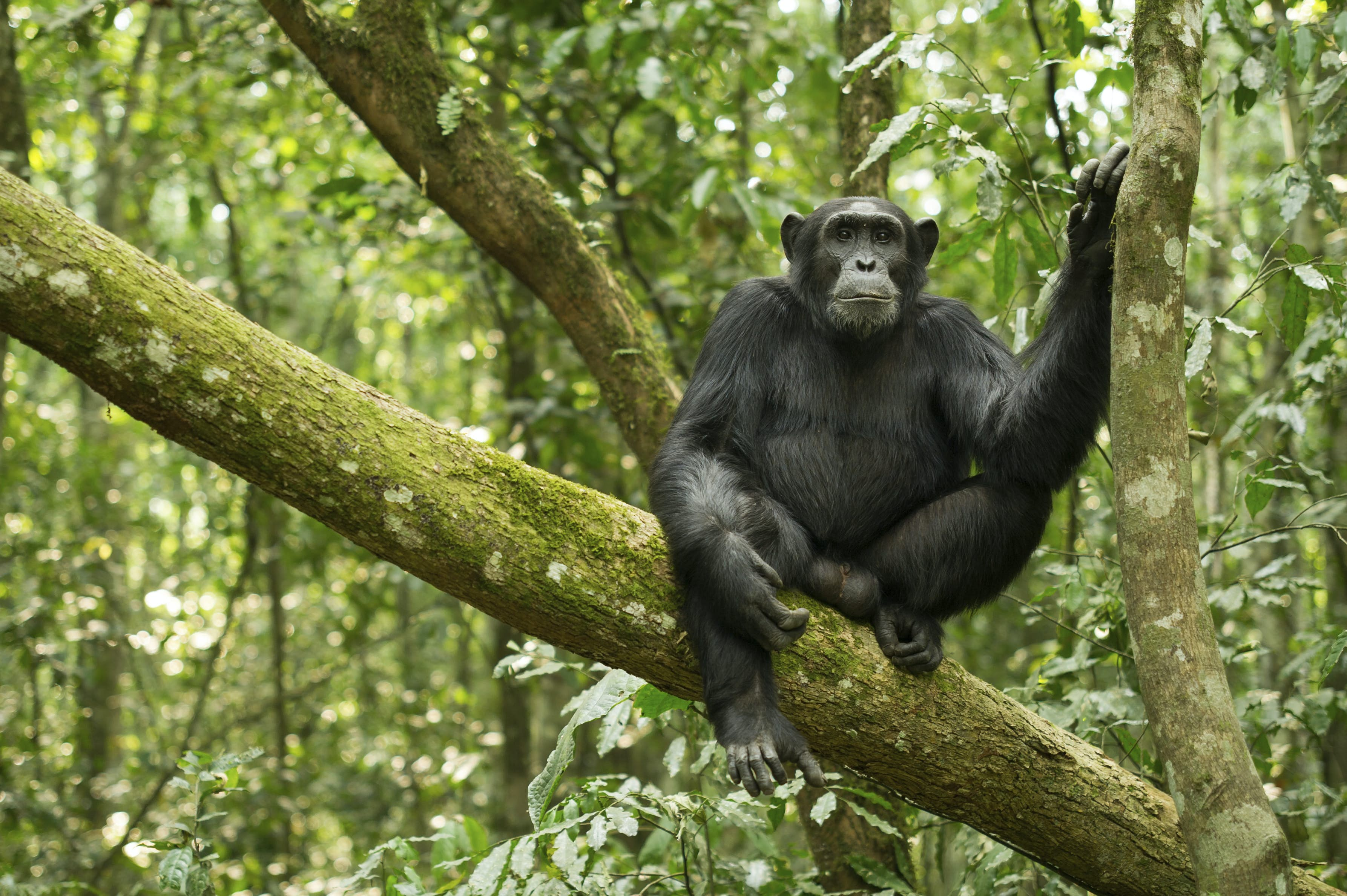
CHIMPANZEE TREKKING IN KIBALE FOREST NATIONAL PARK UGANDA
TREKKING JOURNEY;
Kibale has been the epicenter of chimpanzees trekking for a while. Here you can find the largest density of chimpanzees globally, and the routes are considered suitable for travelers in any physical condition. Spotting a family of chimpanzees may take just a few minutes or up to 6 hours of walking. Depending on how many people want to see the chimps on that day, you can even decide how long you want the trek to be.
Chimpanzee trekking is done twice a day i.e. early morning at 8:00 am and afternoon at 2:00 pm, therefore you have an opportunity to choose which time is conducive for you but morning is highly recommended. You will meet for a briefing from the ranger guide before the trek starts to hear and learn about the expectations while in the forest and about other wildlife in the park.
Trackers go before you and search for where the chimps nested the previous night and where they are located, they then relay this information to your ranger guide to lead you towards their location – remember the Chimps keep moving so they give the rangers information on the go. After, visitors are broken up into small groups and introduced to the assigned official park rangers for the duration of their chimpanzee trek in the Kibale National Park.
TREKKING HOURS;
It is estimated that the entire trek can take between three to six hours depending on the movements of the chimpanzees. Trekkers have to be physically fit, as they have to pass through thick slippery, and muddy terrain, and do have to move quickly enough to follow the chimpanzees especially when they are on the move. So visitors should be prepared to push through a few areas. While the trek length is quite unpredictable beforehand, the time spent with the chimpanzees is quite strict and practically unnegotiable. Travelers on a tracking tour spend exactly one hour with the chimpanzees once the ranger finds them. During this time, you can observe the chimpanzees’ behavior, learn about their family compositions, and take as many photos as possible.
CHIMPANZEE HABITUATION EXPERIENCE IN KIBALE FOREST NATIONAL PARK UGANDA
Visitors also enjoy the Chimpanzee habituation experience in Kibale National Park. Chimpanzees are habituated over 2 years before they get used to humans and then chimp tracking can begin. The CHEX (Chimpanzee habituation experience) happens every morning, a visitor goes along with the rangers and research staff and watches chimps leaving their overnight nests before they start their daily activities, feeding, hunting, copulating, breastfeeding, patrolling, and resting. When this process is repeated over time, the Chimps get used to humans and that family is included in those that can be tracked. Children have to be 15 years and above to track the Chimpanzees.
OTHER PRIMATES AND WILDLIFE TO LOOK OUT FOR IN KIBALE FOREST PARK;
Tracing is not only for chimpanzees, as tourists can also spend time with the golden monkeys, a species of primates that you can only see in this part of the world, and other unique primates such as the blue or the Ugandan red colobus monkey, and the L'Hoest's monkey. The Park also boasts of bird species including six species that are endemic to the Albertine Rift area, namely- black-capped apalis, collard apalis, blue-headed sun-bird, dusky crimsonwing, purple-breasted sunbird, and red-faced woodland warbler. Other wildlife include baboons, forest elephants, buffaloes, and lions plus leopards though rarely sighted.
The park is also home to over 250 species of butterflies, several reptiles, and amphibians. You need to be keen to spot the reptiles and amphibians but the butterflies will be ‘all over the place’. As you hike through the forest in search of chimpanzees and other primates, enjoy sighting the different colorful butterflies.
OTHER TOURIST ACTIVITIES WITHIN KIBALE FOREST PARK;
Nature Walks and Night Walks GIN KIBALE FOREST NATIONAL PARK UGANDA
This provides an opportunity to enjoy one of East Africa's most beautiful and varied forests without the pressure to relocate chimpanzees or tick off a dozen Kibale specials on the bird list. This is an ideal activity for young visitors unable to accompany relatives on the primate walk. Night walks allow visitors to enter the forest after dark to search for nocturnal creatures such as galagos, pottos, and bush babies.
Book with Ultimate Wild Safaris for a memorable tour of Kibale National Park, the world’s primate capital in Uganda.
Email: This email address is being protected from spambots. You need JavaScript enabled to view it.
Mobile: +256 705 087 906 / 760 282 342